1. PRODUCT OVERVIEW
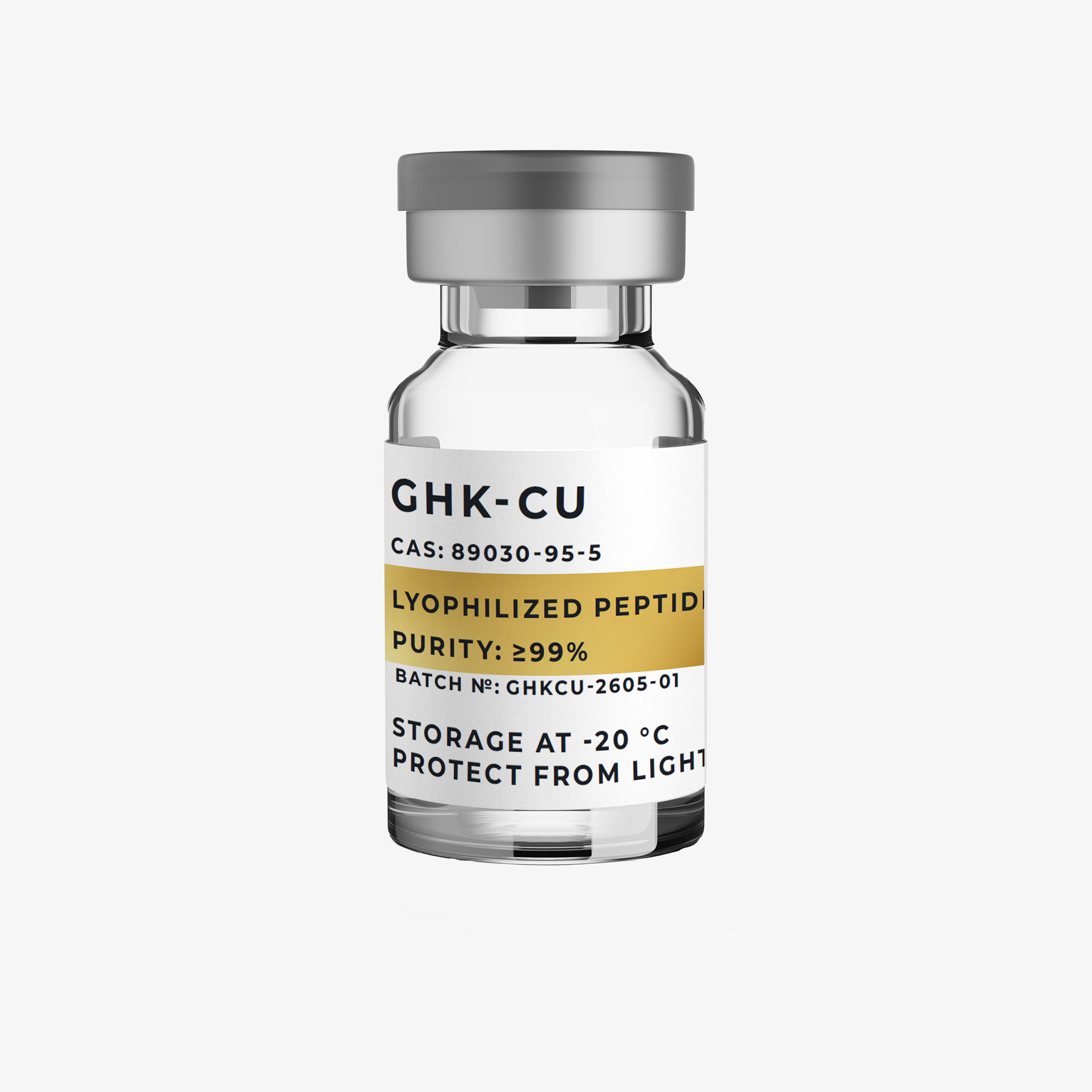
GHK-Cu (Copper Tripeptide-1) is a naturally occurring tripeptide composed of glycine, histidine, and lysine bound to a divalent copper ion (Cu²+). It is found in human plasma, saliva, and urine, where it plays a role in regulating cellular processes.
This peptide is widely studied in biochemical and molecular research for its involvement in tissue remodeling, cellular signaling, and extracellular matrix regulation. GHK-Cu also interacts with metal ion transport and binding pathways, making it relevant for studies related to copper metabolism and cellular homeostasis.
2. STORAGE & HANDLING PROTOCOL
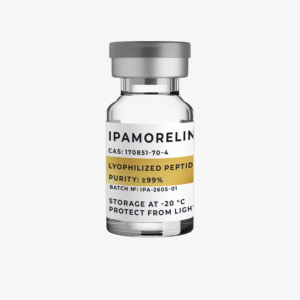
Long-term Storage: Maintain the lyophilized powder at -20°C (-4°F). Ensure the vial remains sealed and protected from light.
Post-Reconstitution: Reconstitute with sterile diluent. Store the resulting solution at 2–8°C (36–46°F).
Stability: For maximum experimental integrity, utilize the reconstituted product within 30 days. Avoid vigorous mechanical agitation.
3. POTENTIAL RESEARCH APPLICATIONS
Tissue Repair & Remodeling: Investigating cellular processes such as extracellular matrix remodeling and tissue repair mechanisms.
Gene Expression & Signaling: Studying gene expression modulation and inflammatory signaling pathways in experimental models.
Oxidative Stress & Regulation: Evaluating responses to oxidative stress and the compound’s role in cellular regulation pathways.
Metallopeptide Studies: Investigating copper ion transport and the interaction between biomolecules and copper-binding reagents.
4. REGULATORY DISCLAIMER
NOTICE: This product is supplied strictly FOR LABORATORY RESEARCH and development purposes. It is NOT FOR HUMAN CONSUMPTION, therapeutic, or diagnostic use. This material must be handled by qualified scientific professionals in a controlled environment.
5. REFERENCES
- Regenerative and Protective Actions of the GHK-Cu Peptide in Human Tissue
https://pubmed.ncbi.nlm.nih.gov/29986520/ - GHK Peptide as a Natural Modulator of Multiple Cellular Processes
https://pmc.ncbi.nlm.nih.gov/articles/PMC4508379/ - The Human Tripeptide GHK-Cu in Prevention of Oxidative Stress and Healing
https://pmc.ncbi.nlm.nih.gov/articles/PMC3359723/ - The Effect of the Human Peptide GHK on Gene Expression
https://pmc.ncbi.nlm.nih.gov/articles/PMC5332963/ - The human tri-peptide GHK and tissue remodeling
https://pubmed.ncbi.nlm.nih.gov/18644225/ - The potential of GHK as an anti-aging peptide
https://pmc.ncbi.nlm.nih.gov/articles/PMC8789089/ - Topically applied GHK as an anti-wrinkle peptide
https://pubmed.ncbi.nlm.nih.gov/39963574/ - Human skin retention and penetration of a copper tripeptide in vitro
https://link.springer.com/article/10.1007/s00011-010-0214-4 - In Vitro and in Vivo Studies of pH-Sensitive GHK-Cu Delivery Systems
https://pmc.ncbi.nlm.nih.gov/articles/PMC6893953/ - Skin Regenerative and Anti-Cancer Actions of Copper Peptides
https://www.mdpi.com/2079-9284/5/2/29
Reviews
There are no reviews yet.